The Platform
Localization that knows what it's translating
Lingowright's two core engines — String Intelligence and the Locale Engine — work together to produce translations that fit your UI, your variables, and your constraints.
How the pipeline works
Source to 19 locales in one automated step
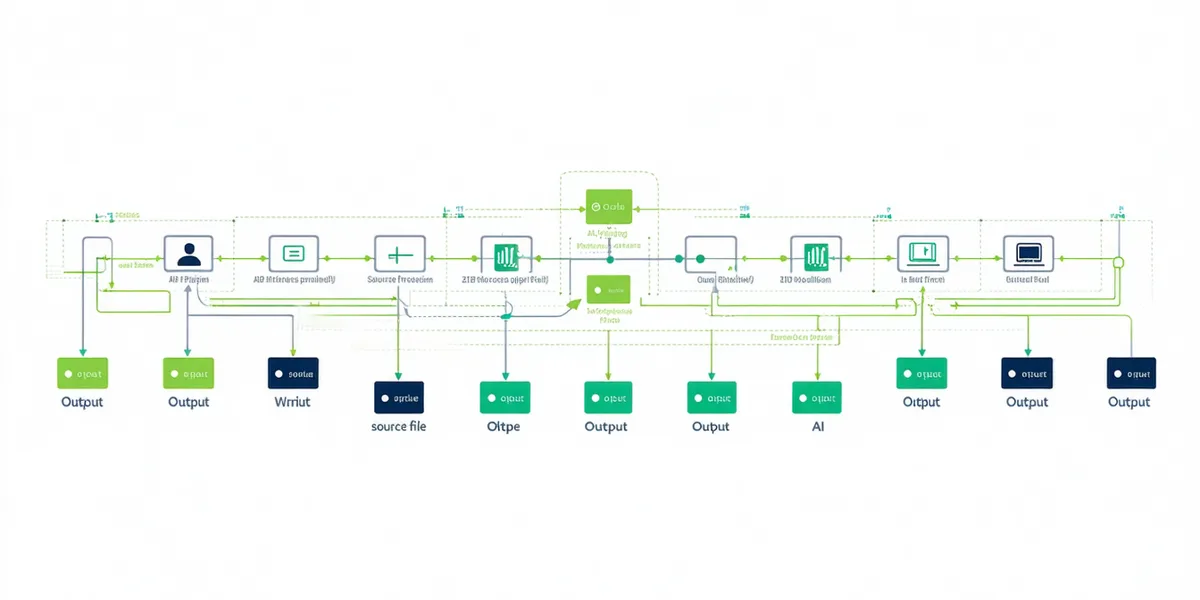
Upload
.json, .po, .xliff, .strings, .arb — any format with keys and values
Context analysis
String Intelligence reads sibling keys, UI component type, char limits, and variable syntax before generating output
Deliver
Output in original format. Push via GitHub PR or sync to Contentful automatically
String Intelligence
Translations that fit your UI
The String Intelligence engine reads neighboring strings, UI component type, and your defined character constraints before generating a translation. The result: strings that fit.
- Variable placeholders preserved verbatim
- Character limits enforced per key, per locale
- ICU, printf, mustache syntax all supported
// Key: pay.cta | max_chars: 30 | component: button
// Context: sibling keys suggest payment flow

"pay.cta": "Proceed to payment",

// Output DE — fits in 30 chars:
"pay.cta": "Zur Zahlung" // 11 chars ✓$ lwr push --file en.json --all-locales
de.json — 1,204 strings ✓ (4 char warnings)
ja.json — 1,204 strings ✓
ar.json — 1,204 strings ✓ (RTL metadata added)
... 16 more locales
Locale Engine
19 locales, zero manual plural rules
The Locale Engine handles CLDR plural forms, RTL directionality signals, and locale-specific typography rules. You configure it once — it handles every edge case.
Deep dive into the Locale EngineDrop in your .json or .po. See translated output in minutes.
Free tier: 1,000 strings/month, 3 locales active, no credit card. Variables and plural rules included at every tier.
Get started free